Figuring out what to focus on now & what to focus on next in science and higher ed
This newsletter is my part of an ongoing conversation among colleagues who’ve had a rough week. I share two or three pieces of the puzzle that feel are most important, hazard a guess about what to expect next, and offer at least one useful thing to do.
MEETING THE MOMENT: 2025-02-14
Hi friends,
It’s been another week of pain and uncertainty for those of us who care about science and higher ed. The onslaught continues, and just trying to keep track of the fallout is feeling like a fractal challenge. What remains absolutely certain is our shared need to stay focused, not flooded.
This is about how we make sense individually so we can cope, and how our communities collectively understand what’s happening and figure out how we are going to get through it. Those of us investing in sensemaking and strategy cannot promise our people that everything will be okay. But we can promise to tell them the truth, and that’s a rare thing these days, so let’s start there.
It’s Valentine’s Day, thousands of federal scientists were laid off today, and this is week 4.
What’s happening now:
- Mass firings and ‘reduction in force’: Our friends and colleagues in federal jobs are being laid off en masse. If you or yours are among them, I’m so deeply sorry. Hard numbers are hard to come by right now, but a lot of focus is on folks who are newly hired or who were reassigned or promoted in the past one to two years. Their status is ‘probationary’ and it limits their procedural and appeal rights, as well as some benefits, like family and medical leave. If last year was a good indicator, more than 200,000 people could be in this category. Whether we’re losing close to that many, half that, an order of magnitude, I don’t know. I do know two things though: 1) it is devastatingly unfair for people and 2) the way this is rolling out is infuriatingly stupid. It’s hitting agencies that are already understaffed, is not coordinated with the resignation buyout offer (which is back on), and just flat-out dangerous. We’re talking about everything from sewage operations in our national parks to nuclear arms safety: it would be comical if it wasn’t so awful.
- Lawsuits and enforcement: This time last week, we were stunned by a huge financial attack on biomedical research. It took the form of announcing a 15% cap on NIH indirects. The weekend was full of emergency phone calls, legal planning, and coordination. By Monday, several massive lawsuits had been filed and the federal judge had issued temporary restraining orders. It would be so easy stop paying attention - to hope the expensive lawyers can do their jobs and let us all get back to ours. But if our future hinges on legal maneuvering, I want to make sure I maintain a working understanding of it. I am spending my limited capacity on this domain on reading about big-picture issues, like why contract law might be as important to this fight as constitutional law.
- Public health and information: Oof. I kept the things that scare me the most for last. I had really hoped that pharmaceutical industry interests would align with public health realities to get us a different Secretary of Health. I took yesterday evening to process the news. Here’s where I am tonight: we need to do everything we can to help avoid and alleviate the suffering this is all going to cause. I’m thinking about the ways this violates our trust and treaty obligations with tribal nations. I’m thinking about measles in Texas, tuberculous in Kansas, pertussis in Wyoming, the worst flu season since the invention of Instagram… yikes. Our poisoned information systems are failing at exactly the wrong moment. And look, I know, information is not sufficient, but it is necessary. A judge ordered the restoration of federal health websites. That’s good. But some continue to be offline as I write this, and now there’s that ideology notice on pages. Sexual, reproductive, and gender-affirming care, information, and history continue to endure continuing attacks. None of this is going to make anybody healthier, ever.
What’s next:
More departures of NIH directors, if reports hold up? The deadline for firing probationary federal employees is 8:00pm ET on Tuesday. Labor For Higher Education is organizing a Nationwide Day of Action on Wednesday. District Judge Angel Kelley will hold hearings next Friday on the NIH indirects issue.
What to do:
Tonight, I’m going to focus on what we need to say.
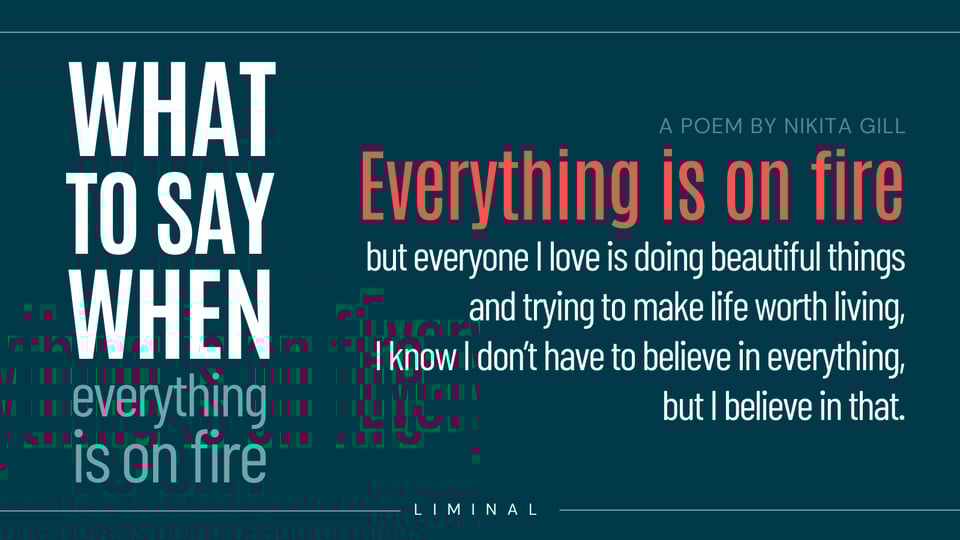
So much of the pain I’m hearing in my networks is because of silence from leaders. The most consistent advice I’ve been giving is go out and talk with your people. Even when you can’t deliver information, say things like:
- “I cannot tell you this is all going to be okay, I can only tell you the truth about what we’re up against, and what I’m working toward.”
- “The uncertainty is painful. But look, we simply do not know what’s happening next. Insisting that the very worst things are certain distracts you from opportunities to avert them.“
- “This is not a catastrophe to be endured: it is a puzzle to be solved. And that's what we do in science. We refine the problems and then we find ways to solve them together.”
For me, the problem I’m consumed by right now is keeping track of everything. It’s why we are pouring hours into this debrief, and the massive GoogleSheet it’s built on top of.
And we’re not alone. We’re working this problem alongside clever people building a dazzling variety of trackers for everything from firings to lawsuits to data rescue. Some incredible outbreak trackers have years of refinements built into them: there’s a lot that’s brand new. You can see the incredible diversity of possible approaches if you compare how the New York Times builds a tracker compared to Science, this way of noting noncompliance with court orders with reporting progress against Project 2025 goals. They’re even tracking the trackers. We need all of this, we need more, and we need better versions. We only get there by working together.
Okay so: pick your problem. Talk to your people about it. Help them move into action. Let’s go.
Liz